
Tastings in Arcachon Bay
Are you planning to go to the ocean when visiting Bordeaux?
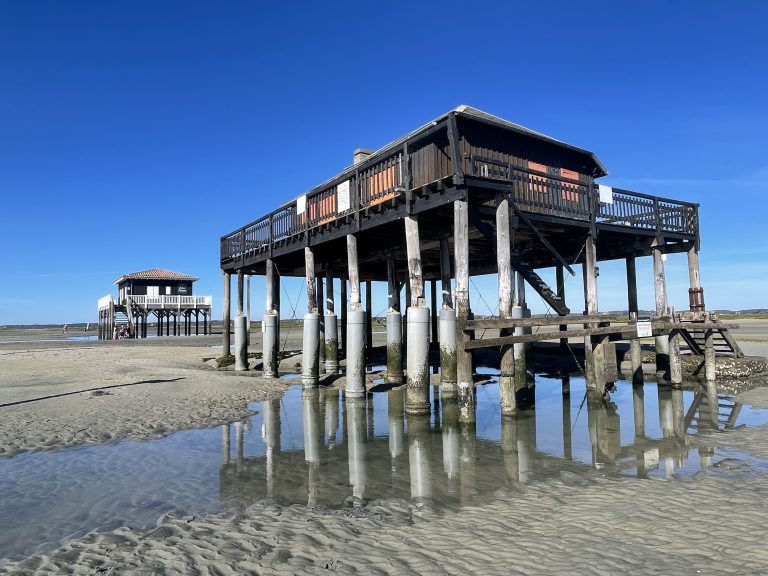
Just 45 minutes from Bordeaux lies one of the most distinctive coastal landscapes in southwestern France: Arcachon Bay. This vast tidal lagoon opens onto the Atlantic Ocean and is shaped by moving sandbanks, strong tides, pine forests, and generations of oyster farmers.
Arcachon Bay is defined by light and water. At low tide, oyster racks stretch across the sandbanks. At high tide, the lagoon becomes a mirror reflecting sky and boats. This rhythm of nature shapes both the landscape and the flavor of its oysters.
This guide presents the best oyster ports for tasting, explains how the famous wooden cabins work, and details the full production process behind Arcachon oysters.
How Many Oyster Cabins Are There?
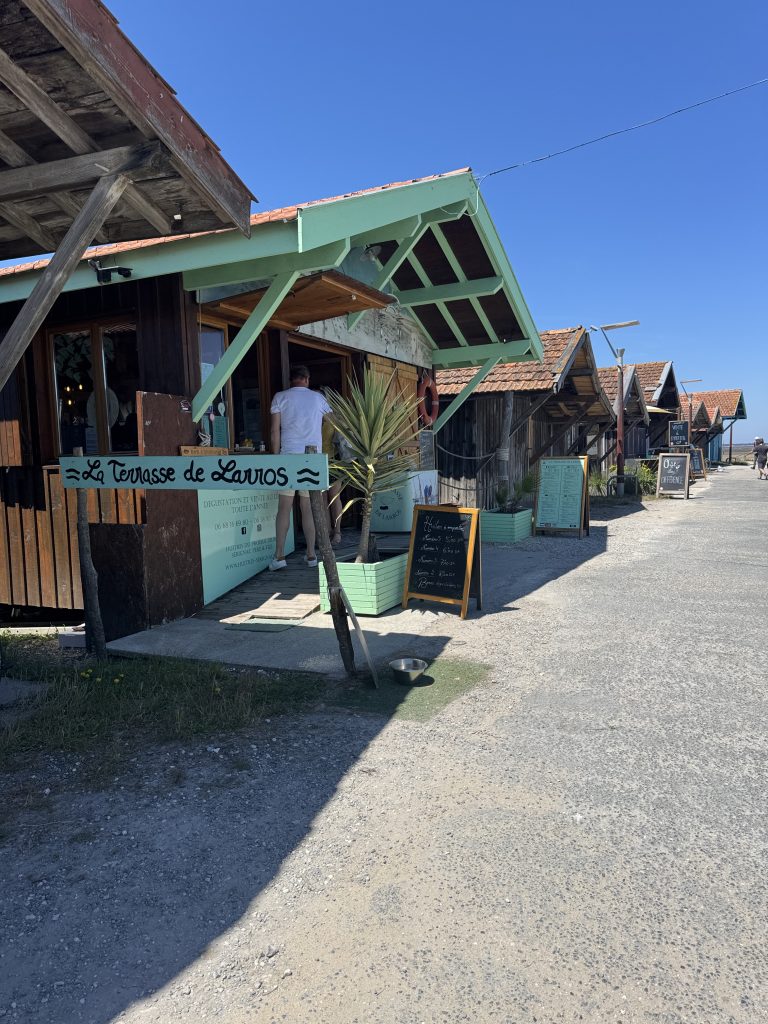
Across Arcachon Bay there are approximately 300 to 350 cabanes ostréicoles. Many are strictly working cabins used for oyster production, but a significant number are licensed to serve tastings directly from the producer.
These cabins are grouped into traditional oyster ports scattered around the bay. Each port has its own atmosphere, pace, and visual identity.
What Is a Cabane Ostréicole?
A cabane ostréicole is a wooden structure used by oyster farmers as a workspace. Traditionally, it served as storage and sorting space for oysters, equipment, and nets.
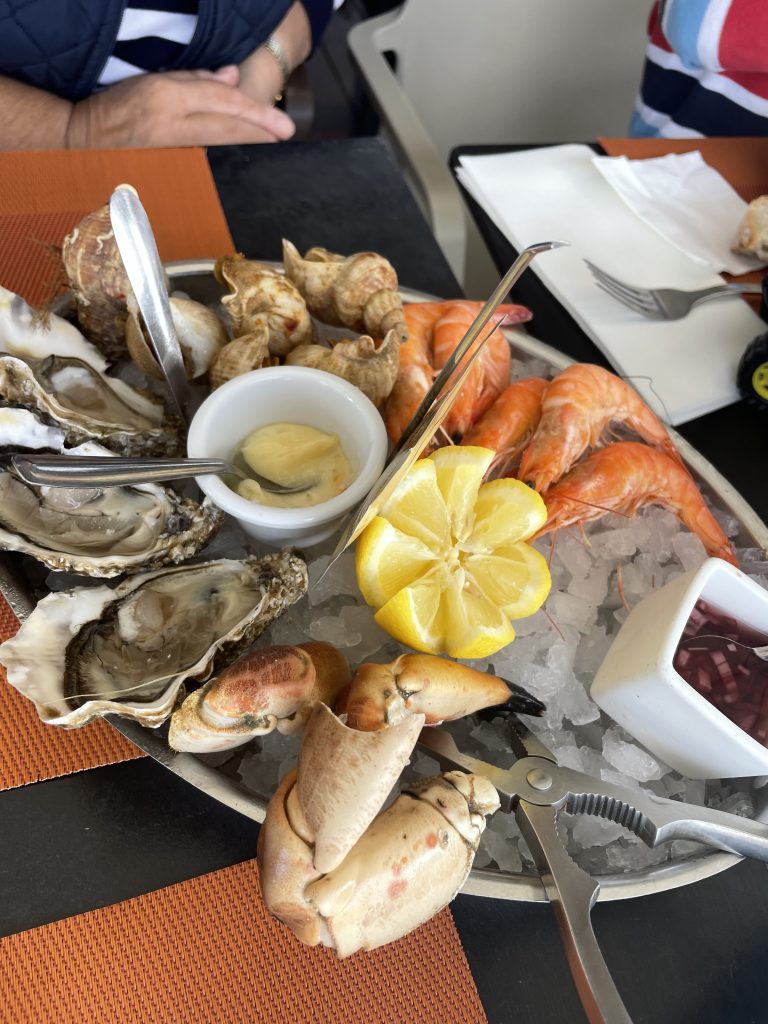
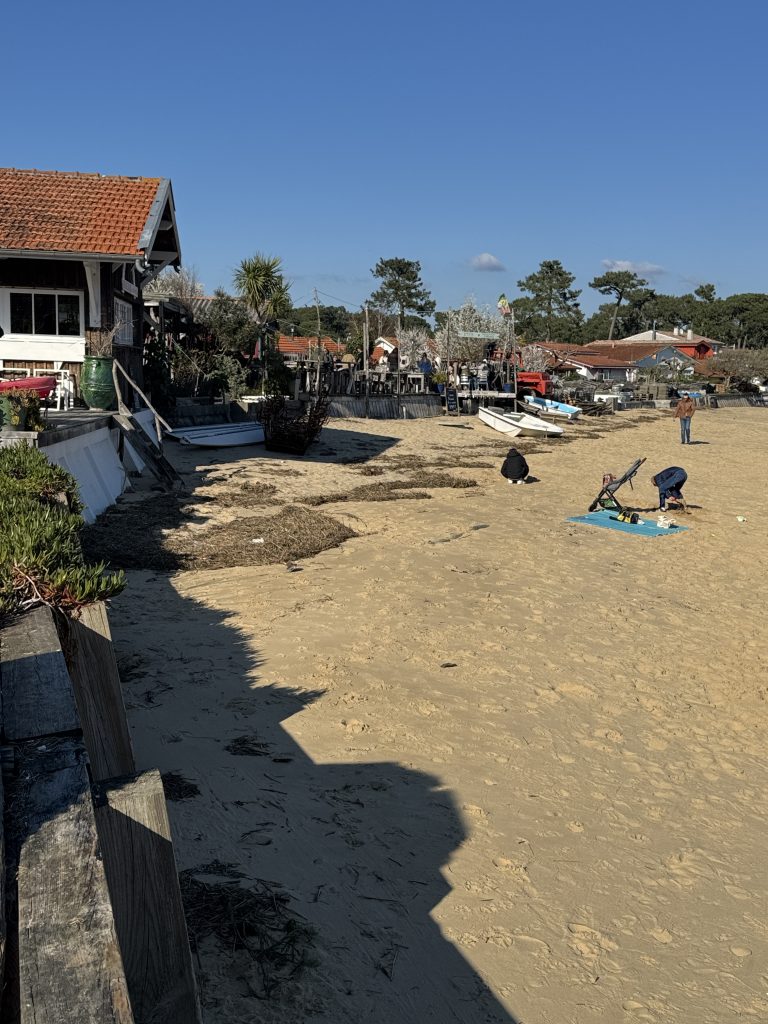
Today, some cabins remain purely functional, while others have added simple terraces with outdoor tables where visitors can taste oysters directly from the producer. The concept is intentionally simple. You order oysters by the dozen, perhaps add shrimp or pâté, and enjoy them with white wine. There are no elaborate menus — freshness is the focus.
You are eating at the source, often just meters from the water where the oysters were grown.
How Arcachon Oysters Are Produced
Oyster farming in Arcachon takes two to three years and follows a precise, carefully monitored process.
The cycle begins with spat — microscopic oyster larvae — either naturally collected in the bay or sourced from hatcheries. Once the larvae attach to collectors and begin forming shells, they are transferred into protective mesh bags.
As they grow, the oysters are placed on metal racks installed in shallow tidal zones. Twice daily, they are submerged in Atlantic seawater rich in plankton and then exposed to air as the tide recedes. This alternation strengthens the shells and intensifies flavor.
Throughout their growth, oysters are regularly sorted by size, cleaned, and shaken to prevent deformation. This manual handling shapes both appearance and quality.
After two to three years, oysters reach market size. They are graded, most commonly as No. 3 for tasting — a balanced size with firm texture and clean salinity.
Before sale, they undergo purification in clean seawater basins, allowing them to filter naturally. Only then are they ready to be served — often harvested and opened the same day.
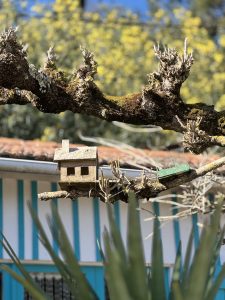
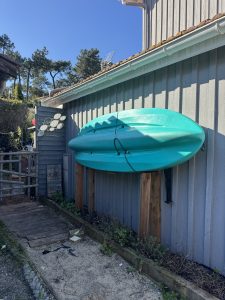
The Best Oyster Ports in Arcachon Bay
Each oyster port around the bay offers a distinct character and experience. Exploring several reveals subtle differences in atmosphere and setting.
Gujan-Mestras: The Oyster Capital of the Bay
Gujan-Mestras is widely regarded as the oyster capital of Arcachon Bay. It contains seven separate oyster ports, including Port de Larros and Port de La Hume.
This is a working oyster town first and foremost. Boats, tractors, oyster baskets, and metal racks are part of the everyday scenery. The ports here feel authentic and active, with a strong sense of maritime tradition.
Tasting oysters in Gujan-Mestras offers the most immersive production-focused experience. It is ideal for those who want to understand the practical side of oyster farming while enjoying exceptional freshness.
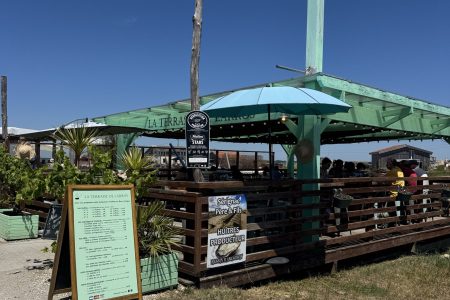
Andernos-les-Bains: Open Horizons and Sunset Light
Located on the northern shore of the bay, Andernos-les-Bains offers a different atmosphere. The oyster port here benefits from wide open views across the lagoon and a long pier extending into the water.
Compared to Gujan-Mestras, Andernos feels more spacious and integrated into a lively coastal town. The oyster cabins are arranged along a charming waterfront area, making it easy to combine tasting with a walk along the beach or pier.
Late afternoon is particularly beautiful, as the changing tides reveal sandbanks and the light softens across the water.
Cap Ferret: Villages of Character and Coastal Elegance
The peninsula of Cap Ferret separates Arcachon Bay from the Atlantic Ocean and is home to several small oyster-farming villages.
Each village has its own micro-atmosphere, but one stands out in particular: the village of L’Herbe.
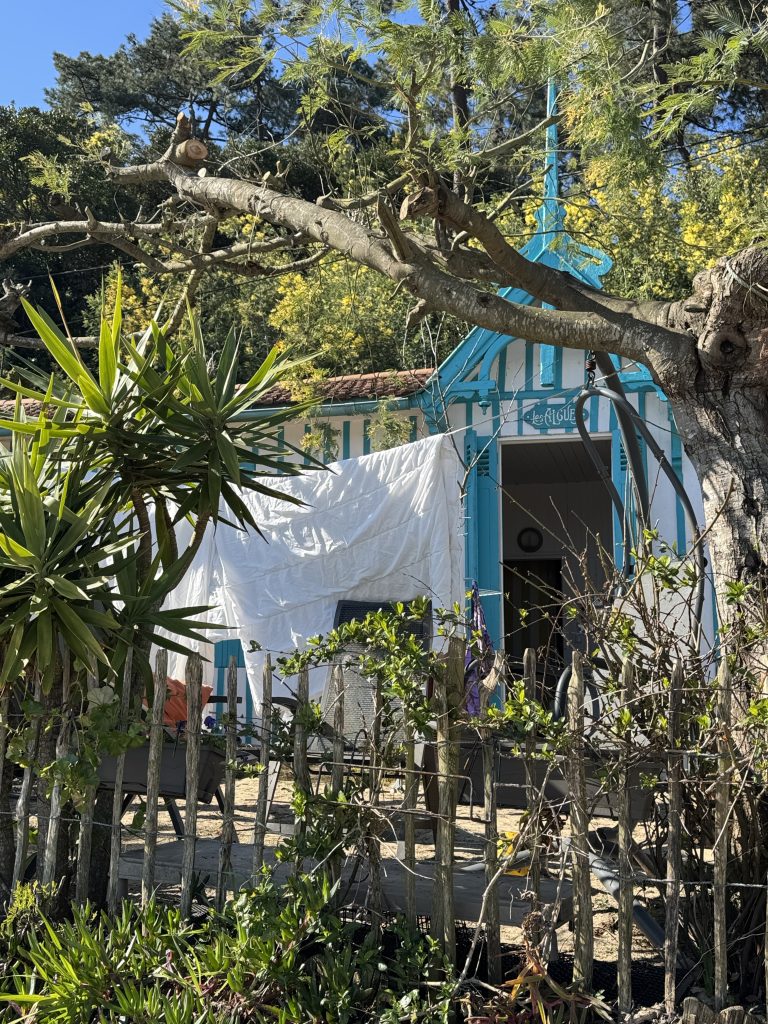
L’Herbe is one of the most picturesque oyster villages in the entire bay. Narrow sandy paths wind between white-and-blue wooden cabins, opening onto terraces overlooking the lagoon. The view stretches across the water toward the Dune of Pilat, creating one of the most iconic landscapes in the region.
Unlike larger ports, L’Herbe feels intimate and almost hidden. The cabins here balance rustic simplicity with a refined setting. It is an excellent choice for those seeking atmosphere, scenery, and high-quality oysters in a charming village environment.
Cap Ferret overall offers a slightly more polished ambiance while maintaining active oyster production. It is where maritime tradition meets understated coastal elegance.
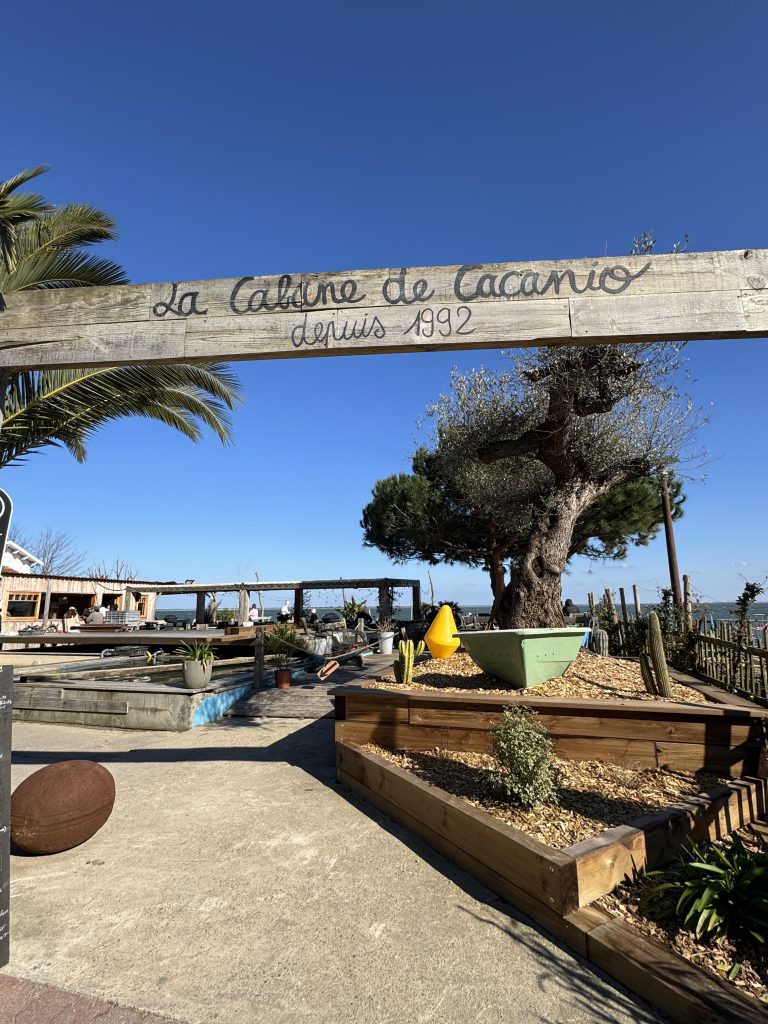
La Teste-de-Buch: Traditional and Less Touristic
Close to the Dune of Pilat, La Teste-de-Buch offers a quieter oyster port atmosphere.
This port remains focused primarily on production rather than presentation. The cabins are functional and understated. The experience feels local and grounded in daily oyster farming life.
For visitors seeking a less polished but highly authentic environment, La Teste-de-Buch provides excellent quality oysters without the busier ambiance of other areas.
The Ideal Wine Pairing
The classic regional pairing for Arcachon oysters is a dry white wine from Entre-Deux-Mers. Made primarily from Sauvignon Blanc, Sémillon, and Muscadelle, these wines are crisp, mineral, and citrus-driven.
Their bright acidity enhances the oyster’s salinity while preserving its delicate sweetness. The pairing is clean, refreshing, and rooted entirely in the Bordeaux terroir.
Arcachon Bay is more than a day trip from Bordeaux. It is a living maritime landscape shaped by tides, craftsmanship, and tradition. Visiting different oyster ports — from the working energy of Gujan-Mestras to the intimate charm of L’Herbe in Cap Ferret — reveals the full diversity of this exceptional oyster region.
Your local guide from Bordeaux, Marina