1. Don’t underestimate Bordeaux’s unpredictable weather
Bordeaux weather is unpredictable, even in summer. Sunshine can quickly turn to overcast skies or light rain within a few hours. Rain is rarely heavy but can be frequent, especially in spring, autumn, and early summer.
This makes packing smart essential for a comfortable visit.
What to Pack
 Compact, lightweight umbrella
Light waterproof jacket or trench
Comfortable shoes for wet streets
Buy local rain gear if needed — Decathlon in the heart of Bordeaux on Rue Sainte-Catherine offers rain ponchos for a few euros
Why This Matters
Bordeaux is made for walking — from the riverfront to its limestone streets
Sudden showers won’t disrupt your day if you’re prepared
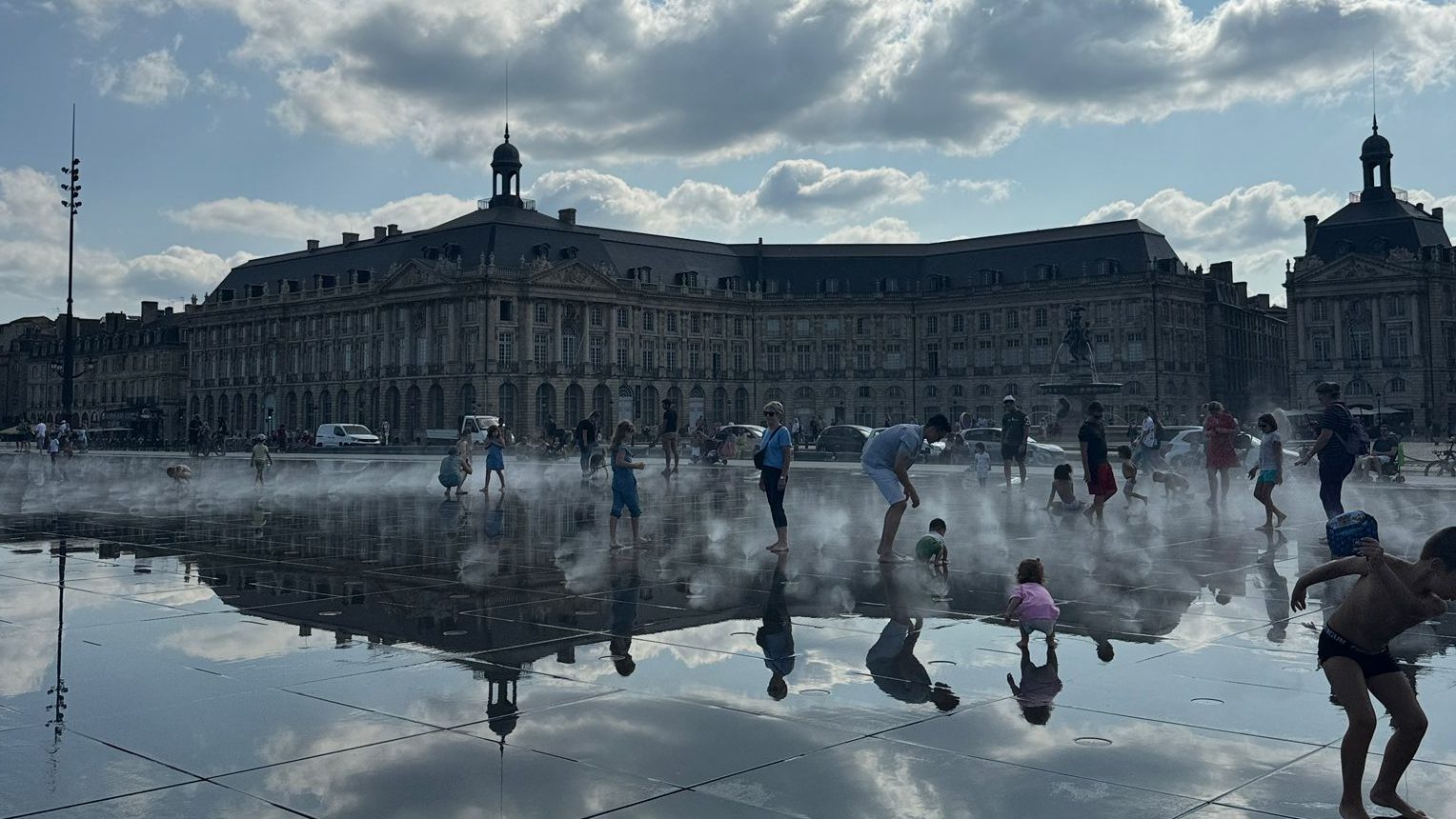
Rain can enhance the city’s charm, reflections on façades, and cozy café ambiance
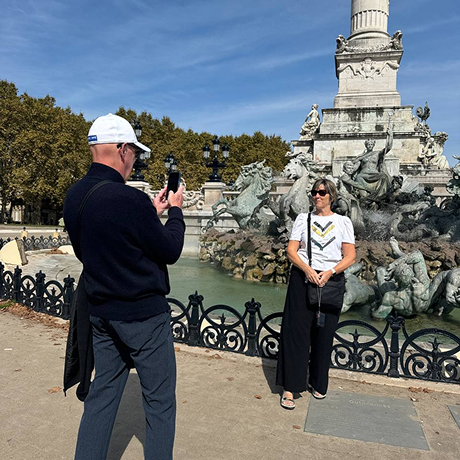
One of the most common questions is: Do you need a car in Bordeaux?
The answer depends entirely on how you are arriving and where you stay.
If you’re driving to Bordeaux
If you have rented a car and are arriving by road, staying in the historic city center is rarely convenient. Instead, consider staying in a beautiful château just outside Bordeaux or in the surrounding countryside.
Why?
Central Bordeaux is largely pedestrian and not designed for heavy traffic
Parking is mostly paid and can be expensive
Narrow streets make driving stressful
By staying in a château nearby, you can enjoy:
Tranquility and vineyard views
Easy and free parking
Access to the city center via Bordeaux’s modern tram system (single ticket ~€1.80)
This approach gives you the best of both worlds: countryside charm and city access.
If you’re flying to Bordeaux without a car
Renting a car for city use is generally unnecessary and often inconvenient.
For visitors arriving by plane who do not plan to rent a vehicle, the best choice is to stay in the heart of Bordeaux city center.
Extremely walkable city
Well-connected by tram and bus
Easy to navigate
For wine tours in Bordeaux — including Médoc, Saint-Émilion, or Graves — options include:
Booking organized wine tours
Hiring a private driver
Taking the regional train to Saint-Émilion or Medoc or Graves
More about private tours to the wineries you can find information here
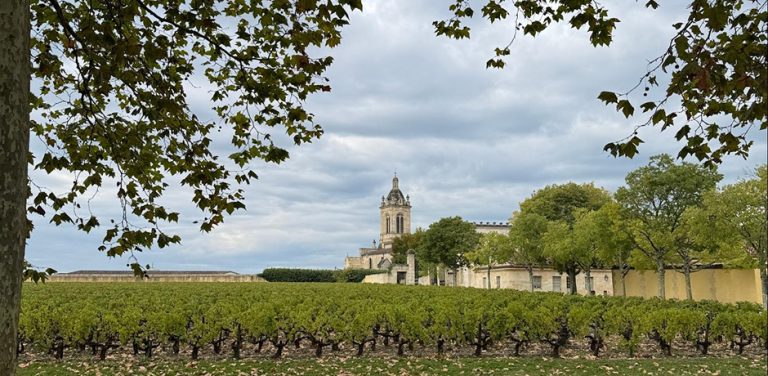
Many visitors automatically look for taxis at Bordeaux–Mérignac Airport or Saint-Jean train station. In most cases, this is unnecessary.
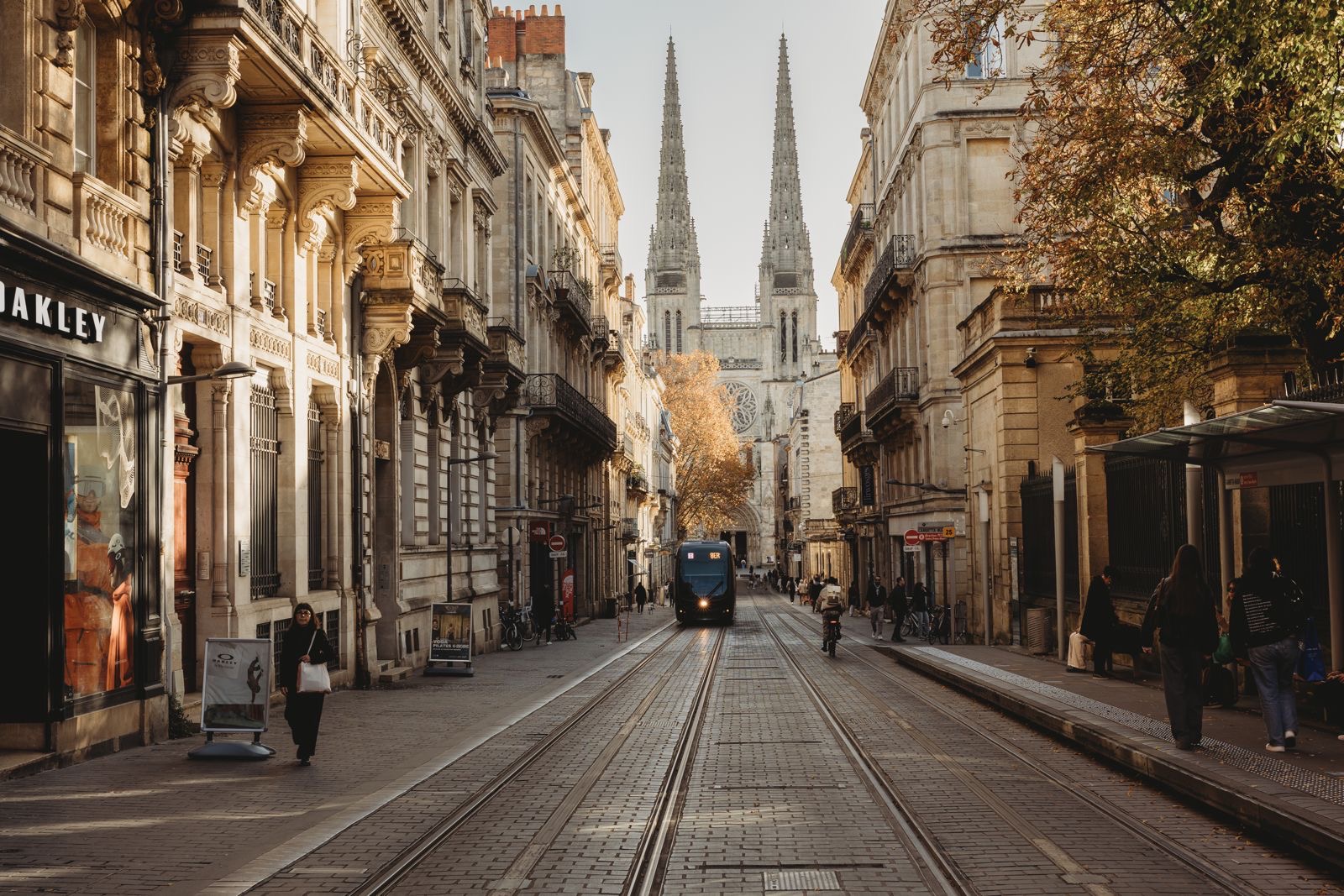
Bordeaux public transport is modern, comfortable, and highly efficient. Electric trams run on dedicated lanes, rarely experience delays, and provide a smooth ride from outer districts into the city center.
How to Use It
Buy tickets in advance from machines at tram and bus stops
Scan (validate) your ticket when boarding each vehicle
A single ticket is valid for 1 hour, during which you can transfer between trams and buses multiple times without additional cost
Traveling as a Group
Buy a 10-ride ticket pack to save money
Scan once per person in the group; the correct number of rides is deducted
Park outside the center and ride the tram
Many visitors park outside the historic center and take the tram in
Avoids paid parking and traffic congestion
Provides a smooth, fast, and reliable ride into Bordeaux
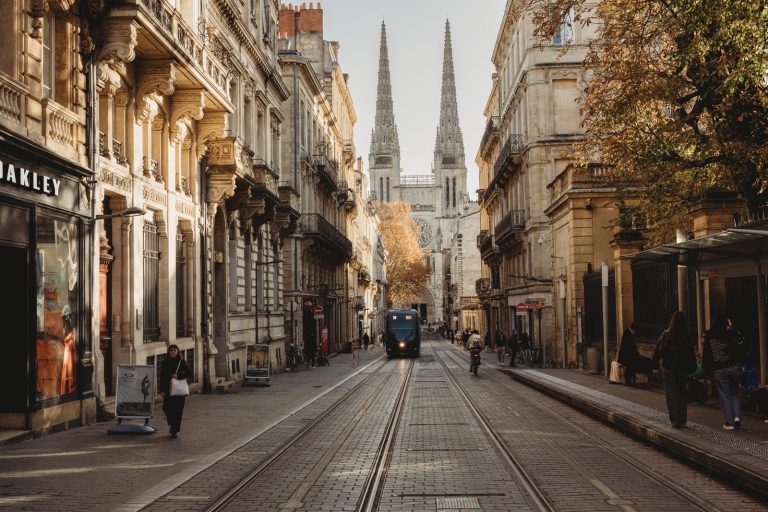
Bordeaux is not like Napa or Sonoma. Most prestigious châteaux do not accept walk-ins.
Booking in advance ensures:
Access to English- or multilingual-speaking hosts
Proper tasting sessions
Entry to premium estates
A structured and meaningful experience
Whether you are interested in Médoc, Saint-Émilion, or Pomerol, advanced reservations guarantee an enjoyable visit.
Private wine tours provide:
Guided insight into wine classifications
Curated tastings
Efficient itinerary management
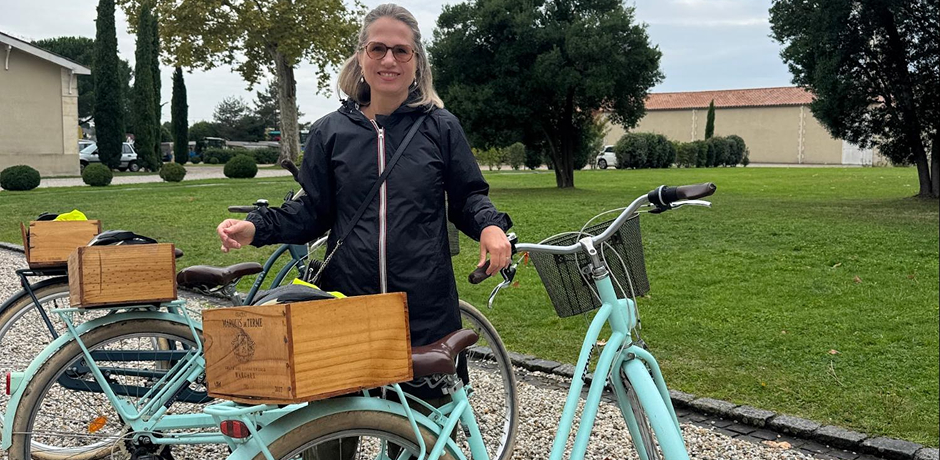
Bordeaux is beautiful, but it is more than a list of landmarks — it is a culture to experience.
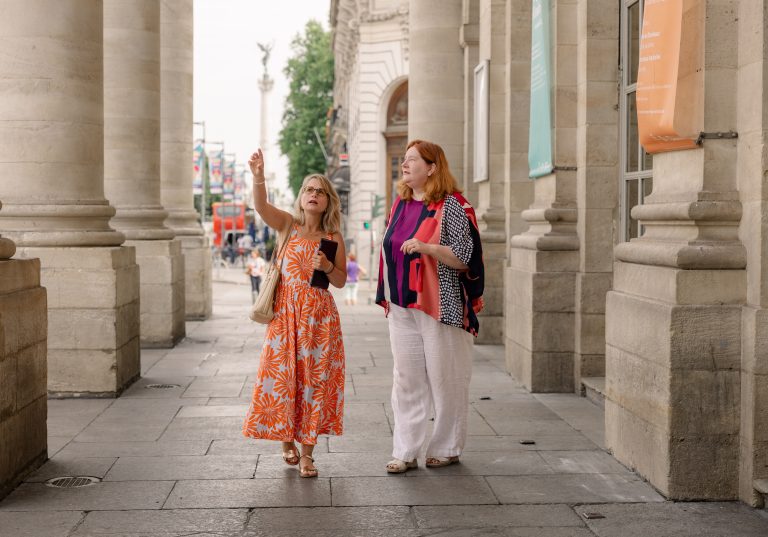
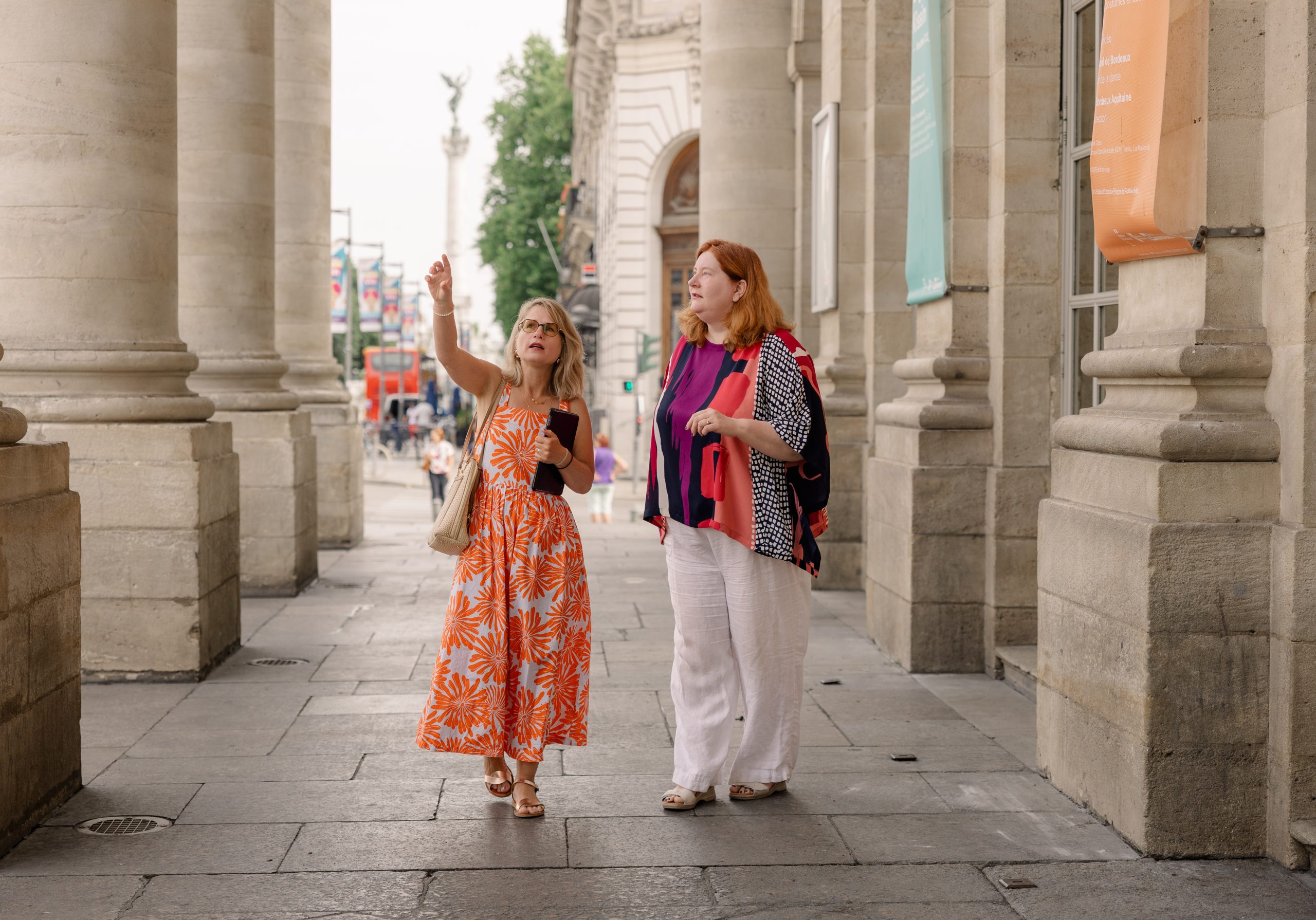
A local guide helps you:
Understand wine classifications and estate histories
Access private tastings and exclusive château visits
Avoid overcrowded tourist spots
Navigate the city efficiently
France Is About Relationships
France, and especially Bordeaux, functions through contacts and personal connections
Special tastings, exclusive visits, and insider access often depend on trust
A guide fluent in French ensures smoother communication, warmer welcomes, and richer experiences
Beyond Tourist Routes
Discover hidden gems and less-visited estates
Structure your day efficiently
Balance city and wine country exploration
Bordeaux is about who you meet, what you understand, and how your experience is shaped.
Bordeaux local guide, Marina